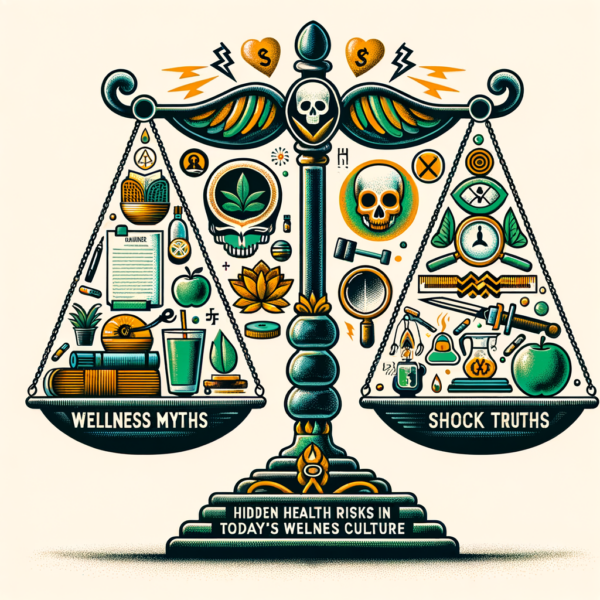
The Hidden Dangers of Wellness Trends
Wellness has become one of the most powerful cultural forces of the last decade. It shapes what we eat, how we exercise, the supplements we buy, the skincare we use, and even how we think about stress, sleep, and aging. On the surface, this seems like progress. More people want to feel better, live longer, and take care of themselves.
But beneath the polished branding and feel good messaging, there is a less visible reality: many wellness trends are built on shaky science, exaggerated claims, and social pressure. What looks healthy may sometimes carry real health risks, especially when advice spreads faster than evidence.
This does not mean wellness is inherently bad. Many habits associated with it moving regularly, eating more whole foods, sleeping enough, managing stress are undeniably beneficial. The problem begins when wellness culture turns simple health practices into rigid rules, miracle cures, or expensive identity markers.
Understanding the hidden dangers of wellness trends is important not to reject self care, but to approach it with more skepticism, balance, and clarity.
Why Wellness Trends Spread So Quickly
Wellness trends thrive because they offer something deeply appealing: control. In a world filled with uncertainty, people want actionable steps that promise better energy, fewer symptoms, and improved long-term health.
Social media amplifies this appeal. A short video about hormone balancing, gut healing, or detoxing can reach millions in hours. Influencers often present personal experience as universal truth, and polished visuals make routines look effortless and transformative.
Several factors make wellness trends especially persuasive:
- They often use scientific sounding language
- They promise natural or “clean” solutions
- They frame mainstream medicine as incomplete or suspicious
- They rely on before and after stories instead of strong evidence
- They tap into fear about toxins, aging, inflammation, and chronic disease
The result is a market where anecdote can outweigh expertise, and where wellness myths can become accepted as common sense.
When “Natural” Does Not Mean Safe
One of the most persistent ideas in wellness is that natural products are automatically gentler, cleaner, or safer than conventional ones. This belief is comforting but often misleading.
Poison ivy is natural. So are arsenic and certain toxic mushrooms. In health, “natural” says very little about effectiveness or safety.
Supplements and Herbal Products
Many supplements are marketed as solutions for fatigue, bloating, anxiety, immunity, and hormonal issues. Some may help in specific cases, but they are frequently taken without medical guidance.
Potential concerns include:
- Interactions with prescription medications
- Inconsistent ingredient quality
- Doses that are too high or too low
- Hidden stimulants or contaminants
- Delayed diagnosis of a more serious issue
For example, someone feeling chronically tired may start taking “adrenal support” supplements based on internet advice. But fatigue can stem from anemia, thyroid disease, sleep apnea, depression, or other conditions that require proper evaluation.
Essential Oils and “Chemical Free” Claims
Essential oils are another area where marketing often outruns evidence. While some can be pleasant or mildly helpful in aromatherapy, they are not harmless by default. Certain oils can irritate skin, trigger allergic reactions, or be dangerous if ingested.
Similarly, products labeled “chemical free” depend on a scientifically meaningless phrase. Everything is made of chemicals including water. These phrases often exploit fear rather than improve understanding.
The Problem With Detox Culture
Few wellness concepts are as popular or as misunderstood as detoxing. Juice cleanses, tea detoxes, fasting resets, colon cleanses, and liver support programs are sold as ways to remove toxins and restore balance.
The problem is that the human body already has systems for detoxification: the liver, kidneys, lungs, digestive system, and skin all play roles in processing and eliminating waste. In most cases, these organs do not need expensive juices, powders, or laxative teas to do their job.
Hidden Health Risks of Detox Trends
Detox products and protocols can create genuine health risks, including:
- Dehydration
- Electrolyte imbalance
- Blood sugar instability
- Digestive problems
- Nutrient deficiencies
- Overuse of laxatives
- Triggering disordered eating behaviors
A three day juice cleanse may seem harmless, but it can leave some people weak, irritable, and undernourished. For individuals with diabetes, eating disorders, or certain medical conditions, it may be especially risky.
The broader issue is psychological as well as physical. Detox culture implies that ordinary eating requires moral correction that a holiday meal, dessert, or period of indulgence has “contaminated” the body. This framing fuels shame and creates an unhealthy cycle of restriction and compensation.
Restrictive Diets Disguised as Wellness
Wellness trends often package dieting in softer language. Instead of saying “lose weight,” they may say “reduce inflammation,” “optimize digestion,” or “eliminate toxins.” Sometimes these recommendations are appropriate for specific medical conditions. Often, however, they become broad lifestyle rules with little evidence behind them.
Appeal of Cutting Out Entire Food Groups
Dairy free, gluten free, sugar free, seed oil free, carb free, lectin free the list keeps growing. Some people truly benefit from avoiding certain foods, especially when they have allergies, intolerances, or diagnosed conditions like celiac disease. But many restrictions are adopted unnecessarily.
This can lead to:
- Nutritional imbalance
- Increased food anxiety
- Social isolation around eating
- Higher grocery costs
- Confusion about what is actually healthy
For example, a person may remove gluten because online wellness advice links it to bloating, fatigue, and inflammation. If they do not have celiac disease or gluten sensitivity, this change may offer no benefit while making everyday eating more stressful and expensive.
Clean Eating and the Moralization of Food
One of the most damaging aspects of wellness culture is the way it moralizes food. Meals are labeled “clean,” “guilt free,” or “cheat” meals, creating the impression that eating is not just nutritional but ethical.
This mindset can quietly become obsessive. Someone may begin with healthy intentions more vegetables, fewer ultra processed foods but gradually become afraid of restaurant meals, birthday cake, or ingredients they cannot fully control.
At its extreme, this can contribute to orthorexia, an unhealthy fixation on eating “pure” or “perfectly” healthy food.
Exercise Trends That Go Too Far
Fitness trends are often folded into the wellness world, where movement is presented as medicine, empowerment, and longevity support. Again, this can be positive until intensity, frequency, or branding overshadow basic recovery and individual needs.
The “More Is Better” Health Trap
Some trends encourage back to back workouts, fasted cardio, extreme step goals, cold plunges, or high intensity training without enough rest. For certain people, these routines may be manageable. For others, they can increase injury risk, fatigue, hormonal disruption, or burnout.
A common example is the idea that waking up at 5 a.m. for an intense workout is inherently superior. For someone already sleep deprived, sacrificing rest for exercise may be counterproductive rather than healthy.
Wearables and Data Obsession
Fitness trackers and health apps can help people build awareness. But they can also intensify pressure to optimize every metric: steps, sleep score, heart rate variability, calories burned, recovery level.
When every day becomes a performance review, health can start to feel less like well being and more like constant surveillance. Numbers can inform, but they should not replace body awareness, common sense, or flexibility.
The Rise of Pseudoscience in Wellness
One reason wellness trends can be dangerous is that they often blur the line between evidence based guidance and pseudoscience. Terms like “toxin load,” “hormone reset,” “biohacking,” and “cellular healing” may sound impressive while remaining vague or unsupported.
Anecdotes Are Not the Same as Evidence
A person may genuinely believe a protocol cured their fatigue, cleared their skin, or balanced their hormones. But individual experiences do not establish causation. Symptoms fluctuate naturally, multiple changes may happen at once, and placebo effects are real.
That does not mean personal stories are useless. It means they should not be treated as proof.
Mistrust of Medical Care
Some wellness messaging encourages people to view all conventional medicine as reactive, profit driven, or dismissive. While criticism of healthcare systems can be valid, blanket distrust can be harmful.
It becomes dangerous when people:
- Delay screening or diagnosis
- Replace treatment with unproven remedies
- Assume symptoms are caused by vague imbalances
- Spend large sums on unnecessary testing or coaching
For example, someone with ongoing digestive symptoms might self-treat with cleanses and supplements for months because they believe they are “healing the gut,” only to later discover a condition that needed medical attention.
Financial and Emotional Costs of Chasing Wellness
Not all dangers are physical. Some of the most overlooked harms of modern wellness culture are financial and emotional.
Wellness can be expensive. Supplements, green powders, infrared saunas, gut tests, filtered water systems, functional beverages, red light devices, and monthly memberships add up quickly. Many products are framed not as luxuries but as necessities for responsible self care.
This creates pressure, especially when health becomes associated with purchasing power.
Wellness as a Status Symbol
In some spaces, wellness is no longer just about feeling better. It becomes a lifestyle aesthetic minimal kitchens, expensive activewear, boutique fitness classes, perfectly curated meals, and specialized routines. Health is presented as something you can buy, optimize, and display.
That can lead to shame for people who lack the time, money, childcare, or energy to keep up.
Constant Self Improvement Can Become Exhausting
There is also a mental burden in always trying to improve yourself. If every meal, product, and habit might be harming or healing you, daily life becomes full of invisible tests.
Instead of promoting peace, wellness can start to produce:
- Anxiety
- Guilt
- Perfectionism
- Hypervigilance about symptoms
- Fear of making the “wrong” choice
Ironically, a culture that claims to reduce stress can end up creating more of it.
How to Spot Wellness Myths Before They Hook You
Not every trend is harmful, but caution is wise. A few questions can help separate useful advice from hype.
Red Flags to Watch For
Be skeptical if a trend or product:
- Promises quick, dramatic results
- Claims to cure many unrelated problems
- Relies mostly on testimonials
- Uses fear-based language about toxins or inflammation
- Suggests doctors are hiding the truth
- Requires expensive products or subscriptions
- Encourages cutting out many foods without clear reason
- Uses scientific jargon without clear explanations
These patterns often signal wellness myths rather than trustworthy health guidance.
Better Questions to Ask
Before trying a trend, ask:
- Is there solid evidence behind this?
- Who benefits financially from promoting it?
- Is it safe for my specific health situation?
- Could this advice encourage restriction or anxiety?
- Have I confused “popular” with “proven”?
It is also worth discussing major diet, supplement, or exercise changes with a qualified healthcare professional, especially if you have ongoing symptoms or existing conditions.
A More Balanced Approach to Well Being
Rejecting harmful trends does not mean rejecting wellness altogether. It means choosing a more grounded version of health one based on evidence, flexibility, and context rather than fear and perfection.
A balanced approach usually looks less glamorous than social media:
- Eating a variety of foods most of the time
- Moving in ways that are sustainable
- Sleeping enough
- Managing stress realistically
- Getting medical care when needed
- Being cautious with supplements and extreme claims
- Allowing room for pleasure, convenience, and imperfection
Real health is rarely found in all or nothing routines. It is built through ordinary habits repeated over time.
Conclusion
The hidden danger of wellness trends is not that people want to be healthy. It is that good intentions can be manipulated by misinformation, fear, and marketing. When wellness culture turns uncertainty into products and wellness myths into rules, the pursuit of health can create new health risks of its own.
The safest path is not blind skepticism or blind trust, but thoughtful discernment. Wellness should support life not control it.