How Multigenerational Living Is Changing Households
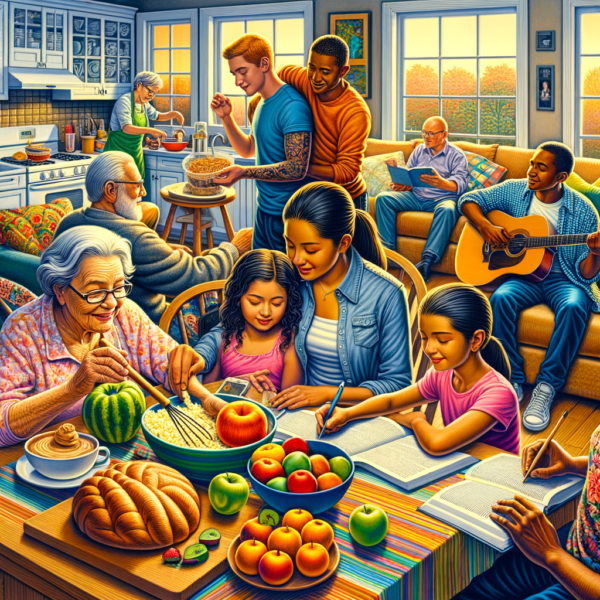
Across many communities, the idea of one household consisting of just parents and children is no longer the default. More families are choosing, or needing, to live with grandparents, adult children, in laws, or other relatives under one roof. This shift is reshaping the way people think about home, privacy, caregiving, money, and daily routines.
Multigenerational living is not a new concept. In many cultures, extended family living has long been the norm. What is changing now is how widespread and visible it has become in places where smaller nuclear households once dominated. Rising housing costs, longer life expectancy, childcare needs, student debt, and changing cultural values are all contributing to the growth of multigenerational homes.
As these households become more common, they are changing not just who lives together, but how homes are designed, how responsibilities are shared, and how families define support.
Why More Families Are Living Together
A major reason behind this trend is simple: life has become more expensive. Housing, childcare, healthcare, and elder care all place pressure on household budgets. Living together can make those costs easier to manage.
Economic Pressure is a Major Driver
For many families, combining households creates financial stability. Instead of maintaining separate homes, relatives can split:
- Mortgage or rent
- Utility bills
- Grocery costs
- Transportation expenses
- Childcare and elder care costs
An adult child moving back home after college, for example, may be trying to save for a down payment while managing student loans. At the same time, aging parents may benefit from extra help with errands or home maintenance. In this arrangement, both generations gain something practical.
Care needs are Reshaping the Household
Many people are also turning to multigenerational homes because they make caregiving more manageable. Grandparents may help with school pickups and after school routines. Adult children may provide support to aging parents who want to avoid assisted living. Instead of outsourcing every form of care, families are bringing more of it back into the home.
Culture and Connection Still Matter
Not every multigenerational arrangement is based on necessity. Some families simply prefer close knit family living. In cultures where several generations have traditionally lived together, these households offer continuity, shared identity, and stronger intergenerational bonds.
For others, the shift reflects changing values. Younger generations may place more importance on community, emotional support, and practical cooperation than on strict independence.
The Modern Multigenerational Household Looks Different
Today’s multigenerational homes are not all alike. Some include grandparents, parents, and children. Others may include siblings, cousins, or in laws. Some are temporary, while others are long term by design.
Common Household Arrangements
A multigenerational household might look like:
- Grandparents living with a young family to help care for children
- An adult child returning home after a job change or divorce
- Parents moving in with adult children as they age
- Two adult siblings sharing a home with their families
- A household that includes relatives who pool resources to buy property together
This flexibility is part of what makes the trend so significant. It is not one single model, but a broad shift in how families respond to modern pressures and opportunities.
Homes are Becoming more Adaptable
Builders, architects, and homeowners are responding by rethinking space. Instead of a house serving one narrow household type, it now needs to support multiple generations with different schedules, preferences, and levels of mobility.
That has increased demand for:
- Separate entrances
- First floor bedrooms
- In law suites or accessory dwelling units
- Dual kitchens or kitchenettes
- Soundproofing between rooms
- Larger common areas
- More bathrooms
- Flexible office or study spaces
In other words, shared spaces are growing in importance, but so is private space. The most successful multigenerational setups balance both.
How Shared Living Changes Daily Life
Living with more generations under one roof changes the rhythm of everyday life. A household becomes more active, more coordinated, and often more interdependent.
Routines Become Collaborative
In smaller households, tasks are often divided among one or two adults. In family living arrangements that include several generations, responsibilities can be shared across a wider group.
For example:
- A grandparent may prepare breakfast for children
- A parent may handle evening homework and bedtime
- An adult sibling may do grocery runs
- A teen may help with technology or yard work
- Another adult may coordinate medical appointments for an elder
This kind of cooperation can reduce stress, especially when everyone contributes in a clear and respectful way.
Shared Spaces Become more Intentional
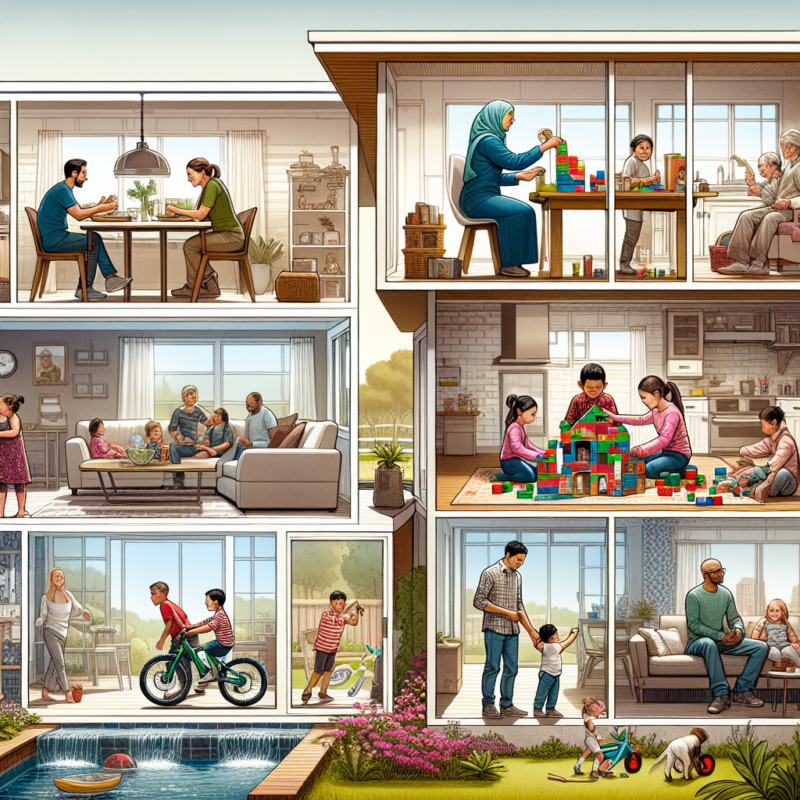
In many multigenerational homes, the living room, kitchen, dining area, and outdoor spaces play a bigger role than before. These shared spaces become the center of connection, caregiving, meals, and decision making.
A kitchen, for instance, is no longer just a cooking area. It may also be a homework station, a family meeting point, a social hub, and a workplace for someone answering emails between meals. That means layout, storage, and scheduling matter more.
Families often need to ask practical questions such as:
- Who uses the kitchen first in the morning?
- Where can children play without disturbing older adults?
- Which areas are for quiet time?
- How are guests handled?
- What spaces feel private, and which are shared?
These decisions help reduce conflict and make the household run more smoothly.
Benefits of Multigenerational Living
While it can be complex, multigenerational living offers clear advantages that are helping drive its growth.
Stronger Family Support
One of the biggest benefits is built-in support. Whether someone is recovering from surgery, adjusting to a new baby, navigating a job loss, or caring for an elder, more people in the household can mean more help when it is needed.
This support is not only practical. It is emotional too. Living close to relatives can reduce loneliness and create a stronger sense of belonging.
Better Financial Resilience
Pooling resources can help families absorb financial shocks. A household with multiple earners may be better positioned to handle rising costs or sudden emergencies. Even when only some adults are employed full time, shared expenses can create breathing room that would not exist in separate households.
Richer Connections Between Generations
Children in multigenerational homes often have more regular contact with grandparents or older relatives. That can lead to deeper relationships, more storytelling, stronger cultural continuity, and everyday learning that would otherwise be missed.
Older adults may also benefit from feeling included and useful rather than isolated. Young adults, meanwhile, can gain stability and guidance during transitional years.
More Efficient use of Space and Resources
From an environmental and practical perspective, family living under one roof can be more efficient than operating several separate homes. Shared appliances, heating and cooling, transportation, and food planning can reduce waste and lower costs.
Challenges Families Need to Navigate
Even the strongest families face challenges when multiple generations share one household. The benefits are real, but so are the tensions.
Privacy can Become Limited
One of the most common difficulties is privacy. Different generations often have different expectations around noise, visitors, routines, and personal boundaries.
A retired grandparent may wake up early and value quiet mornings. Teenagers may keep later hours. Parents may want time alone with their children. Adult children may feel they have lost independence by moving back home.
Without clear agreements, small frustrations can build quickly.
Conflict can Arise Around Roles and Decision Making
Who is in charge of the household? Who sets rules for children? How are bills divided? What happens if one adult contributes more financially while another contributes more caregiving?
These questions can be emotionally charged. In multigenerational homes, family roles can overlap in ways that blur authority and responsibility. What looks like help to one person may feel like interference to another.
Space May not Match the Household’s needs
Not every home is built for several generations. A lack of bathrooms, poor layout, limited storage, and too few quiet areas can make daily life harder. When shared spaces are crowded or poorly organized, conflict is more likely.
What Makes Multigenerational Homes Work Well
The households that thrive are usually the ones that combine flexibility with structure.
Clear Communication Matters Most
Families often do best when they discuss expectations early and revisit them often. This may include conversations about:
- Household expenses
- Chores and caregiving
- Parenting boundaries
- Quiet hours
- Guest policies
- Parking and storage
- Long term plans for the arrangement
It can feel formal, but clarity prevents resentment.
Designing for Both Togetherness and Autonomy
Successful shared spaces encourage interaction without forcing it. A large dining area may bring everyone together for meals, while separate sitting rooms or private bedroom suites allow people to recharge.
Even small changes can help, such as:
- Adding sliding doors to create flexible room divisions
- Using furniture to define zones
- Creating a quiet reading corner for elders
- Setting up a separate study space for teens
- Improving outdoor seating for overflow gathering space
The goal is not simply to fit more people into one house. It is to create a home that functions well for everyone living there.
Respecting Different Life Stages
Each generation brings different strengths and needs. Young children need supervision and routine. Working adults may need focus time and reliable schedules. Older adults may need accessibility features and rest. Teens and young adults often need privacy, independence, and room to grow.
Strong family living arrangements respect these differences instead of trying to force everyone into the same habits.
How This Trend Is Changing the Meaning of Home
As multigenerational living grows, it is also changing how people define success and independence. For decades, moving out and living alone or as a small nuclear family was often treated as the ideal. Today, more people are recognizing that independence can coexist with interdependence.
A home is increasingly seen as a support system, not just a private residence. It can be a place where care flows in several directions at once: grandparents helping raise children, adult children supporting parents, and families sharing the burdens of daily life.
This shift may also influence housing policy, urban planning, and real estate markets. Demand for flexible floor plans, accessory units, and adaptable neighborhoods is likely to keep growing. As more people seek multigenerational homes, the housing industry will need to respond with designs that accommodate modern family living.
Conclusion
Multigenerational living is changing households by making them more connected, collaborative, and adaptable. It is influencing finances, caregiving, home design, and the use of shared spaces in everyday life. While these arrangements come with challenges, they also offer stability, support, and stronger ties across generations.
For many families, the rise of multigenerational homes is not just a response to economic pressure. It is a new way of thinking about what home can be: a place where people live not only alongside one another, but with one another in a deeper and more intentional way.


