
The Silent Epidemic: Understanding Sleep Deprivation in Modern Life
Sleep health is a fundamental aspect of our overall well-being, yet it’s increasingly compromised in today’s fast-paced world. As modern lifestyles become more demanding, sleep deprivation has silently crept into the lives of many, generating widespread health issues that amount to a silent epidemic. This article delves into the nuances of sleep deprivation, its causes, effects, and how we can reclaim our rest for healthier living.
The Rising Problem of Sleep Deprivation
In recent years, sleep deprivation has become a significant public health concern. It’s not merely about feeling tired; it significantly affects physical and mental health. Despite being essential for rejuvenation, many prioritize daily tasks over sleep, often paying less attention to the cumulative negative effects.
Impact on Sleep Health
Sleep health encompasses a range of factors that contribute to restful, restorative sleep. This includes duration, quality, timing, and consistency, all of which are disrupted in a person suffering from sleep deprivation. Poor sleep health has been linked to various chronic health issues such as obesity, diabetes, cardiovascular diseases, and mental disorders like depression and anxiety.
Insomnia: More Than Just Lack of Sleep
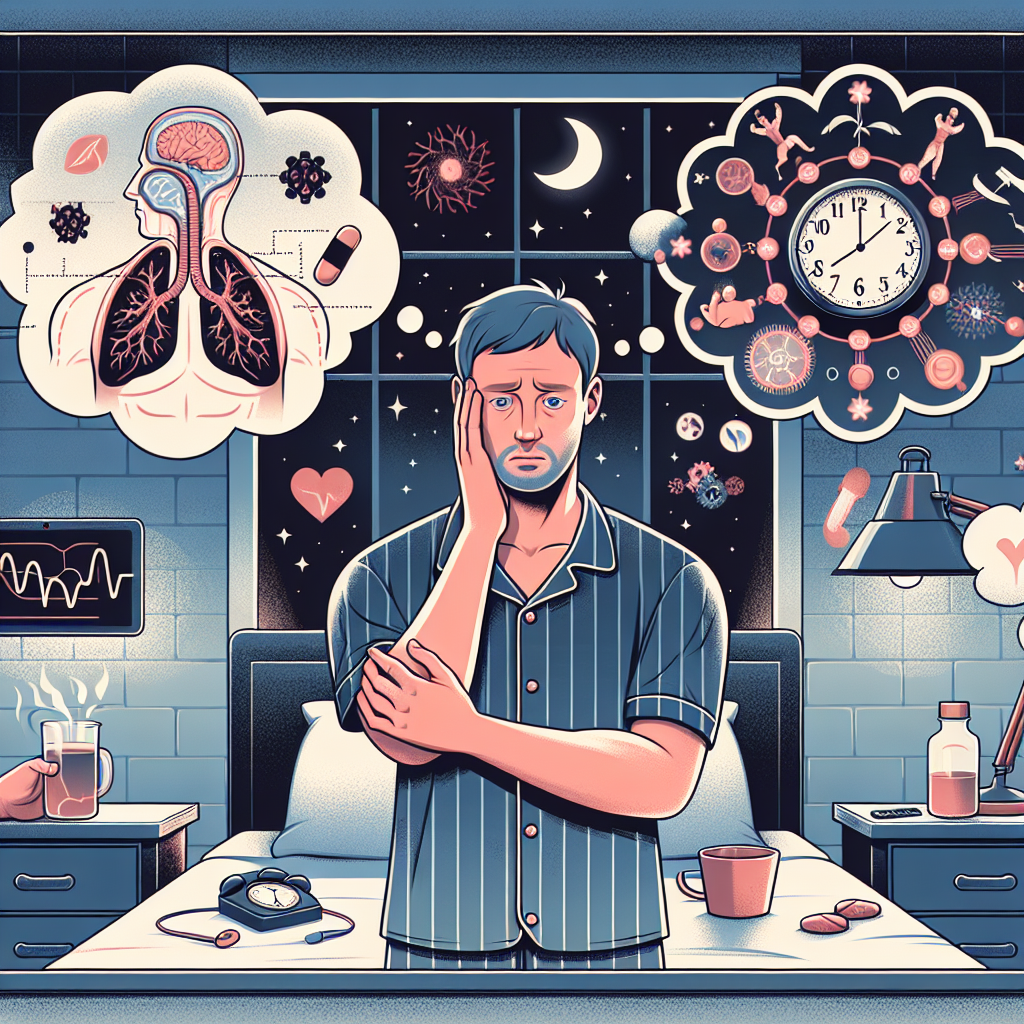
Insomnia is one of the most common sleep disorders and a prevalent cause of sleep deprivation. Characterized by the difficulty in falling or staying asleep, it can be acute or chronic.
- Acute Insomnia: Often linked to life events, stress or trauma.
- Chronic Insomnia: Lasts over a month, frequently tied to health conditions or lifestyle.
Understanding and addressing insomnia is vital to tackling chronic sleep deprivation.
Science Behind Sleep and Circadian Rhythm
Circadian Rhythm Role in Sleep Health
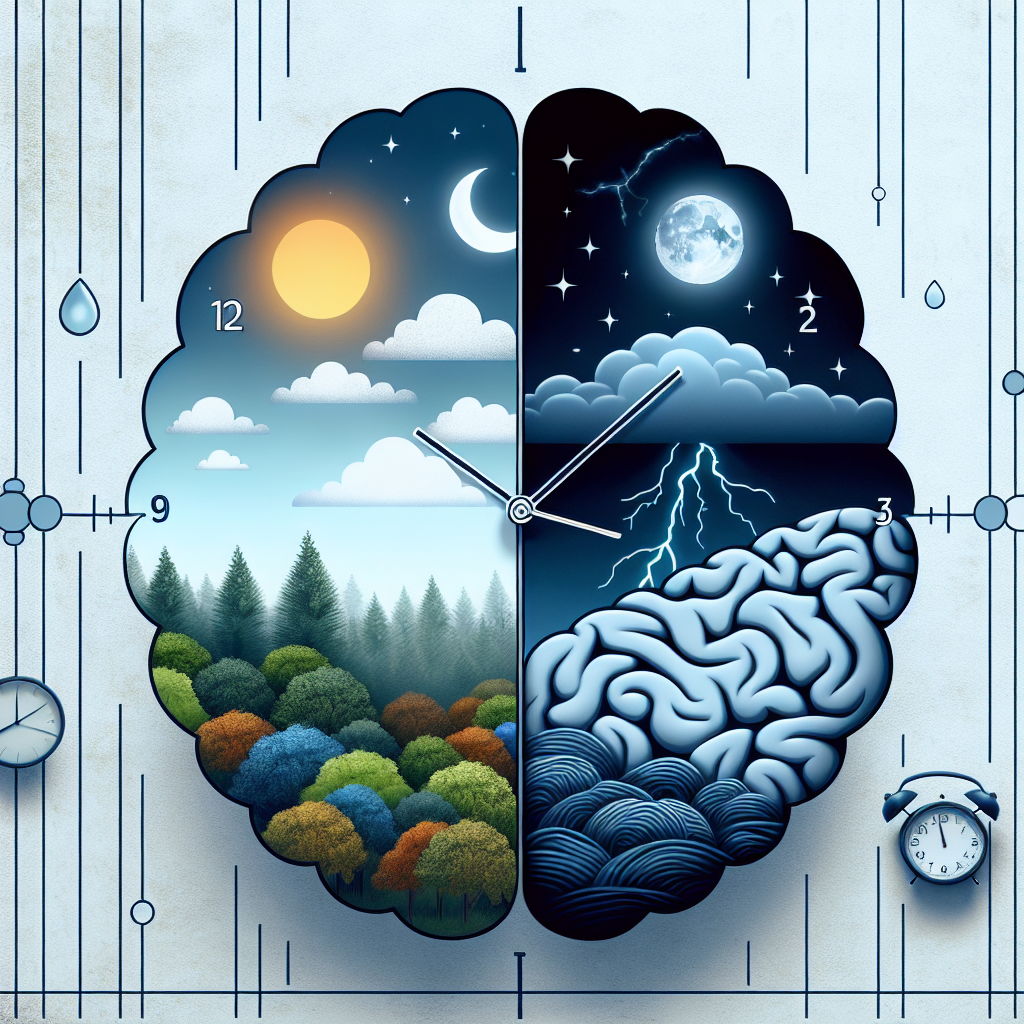
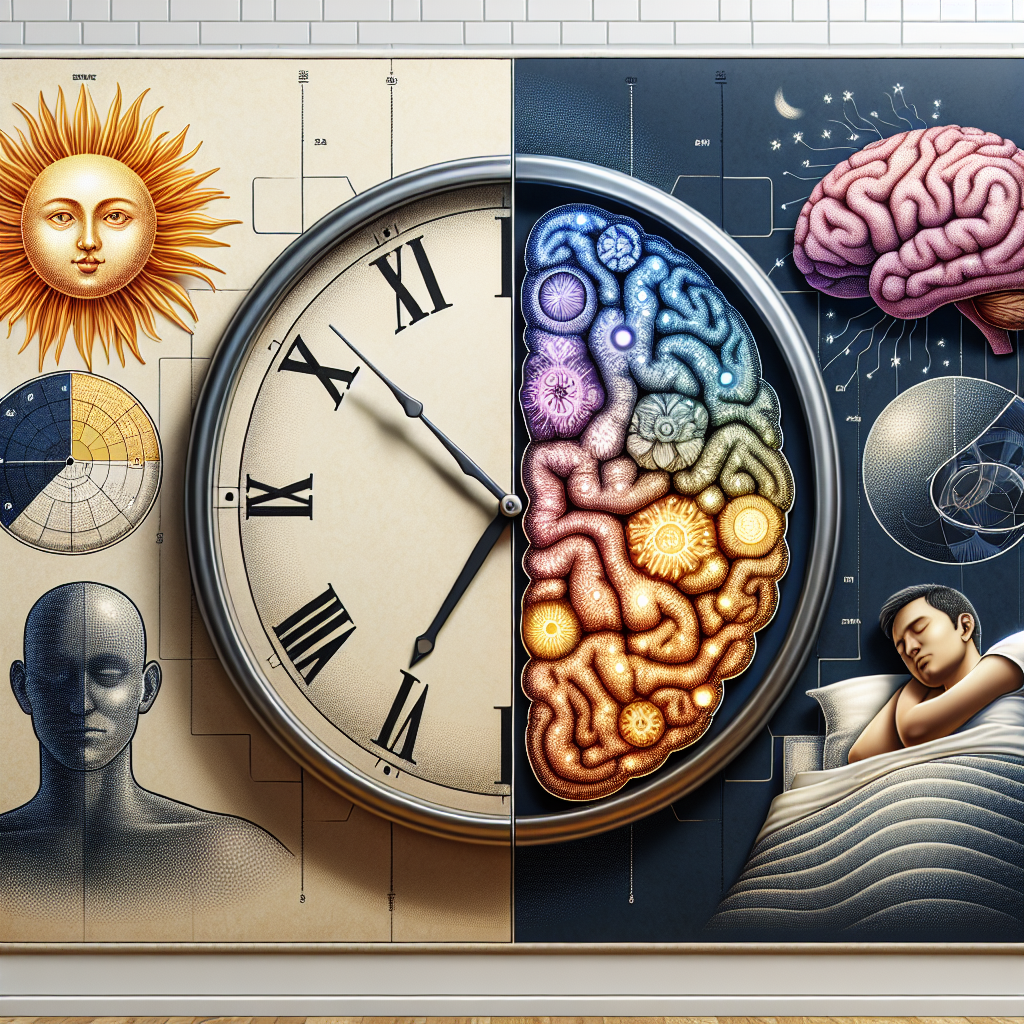
Our circadian rhythm is a natural, biological clock that governs the sleep-wake cycle. This internal clock is influenced by exposure to natural light and darkness, helping regulate the body’s timing system.
Disruption of circadian rhythm, caused by factors such as shift work, travel across time zones, or excessive screen time, can significantly affect sleep health. When your circadian rhythm is out of sync, it can lead to sleep disorders and exacerbate existing ones, like insomnia.
Mechanisms of Sleep Deprivation
Sleep involves multiple stages, each crucial for restorative processes within the body:
- Non-REM Sleep: Involves deep sleep needed for physical recovery.
- REM Sleep: Important for cognitive functions such as memory and mood regulation.
With chronic sleep deprivation, the body cannot complete these necessary cycles, leading to impaired bodily functions.
Modern Lifestyle and Sleep Deprivation
Technology’s Influence
The digital age, while beneficial in numerous ways, has a downside when it comes to sleep health. With the widespread usage of smartphones, tablets, and computers, screens emit blue light that interferes with the production of melatonin, a hormone that regulates sleep-wake cycles.
Stress and Sleep Deprivation
Stress is pervasive in modern life, whether from work pressures, personal responsibilities, or societal expectations. Chronic stress increases the production of cortisol, a hormone that can disrupt sleep patterns, leading to insomnia and ongoing sleep disturbances.
Societal Pressures and Sleep Loss
Cultural and societal tendencies to glorify overwork and reduce rest time further exacerbate sleep deprivation. Long work hours, multiple jobs, and constant connectivity blur the lines between work and rest, prioritizing productivity over wellness.
Consequences of Sleep Deprivation
Physical Health Impacts
- Immune System Weakness: Reduced sleep affects the body’s ability to fend off illnesses.
- Heart Health: Increases the risk of hypertension and heart disease.
- Obesity: Alters hormones related to appetite, leading to weight gain.
Mental Health Effects
- Mood Disorders: Heightens the risk for depression and anxiety.
- Cognitive Function: Impairs concentration, memory, and decision-making capabilities.
- Emotional Regulation: Reduces resilience against stress, leading to irritability and decreased empathy.
Strategies for Improving Sleep Health
Establishing Consistent Sleep Habits
- Regular Bedtime Routine: Go to bed and wake up at the same time every day.
- Pre-sleep Rituals: Engage in relaxing activities like reading or listening to calm music.
Managing Technology Use
- Screen Time Reduction: Limit device use at least an hour before bed.
- Blue Light Filters: Use apps or settings that reduce blue light emission.
Reducing Stress
- Mindfulness and Meditation: Practice relaxation techniques to alleviate stress.
- Exercise: Engage in regular physical activity, but avoid intense workouts close to bedtime.
Optimizing Sleep Environment
- Comfortable Bedding: Ensure your mattress and pillows provide adequate support and comfort.
- Dark, Quiet, Cool Rooms: Create a conducive environment to enhance sleep quality.
Special Considerations for Shift Workers
Recognizing the unique challenges faced by shift workers, strategies need to be tailored for optimal sleep:
- Custom Schedule: Try to follow the same sleep schedule consistently, even on days off.
- Light Exposure: Control exposure to natural light to maintain a regular circadian rhythm.
- Nap Strategically: Short naps can boost alertness without severely impacting nighttime sleep.
Role of Healthcare Providers
Addressing sleep health proactively is essential. Healthcare providers should assess sleep patterns as part of routine health checks and recommend appropriate interventions or referrals to sleep specialists where needed.
Reclaiming Rest in a Busy World
The silent epidemic of sleep deprivation is not insurmountable. By understanding its intricacies and implementing proactive measures, we can significantly enhance our sleep health and overall quality of life. Sleep is not a luxury, but a necessity that must be prioritized to harness the full potential of our days. Investing in quality rest is a step towards a healthier, more balanced life, and a critical counteraction to this modern-day challenge.